
Botanical oils are everywhere in skincare.
They are often described as nourishing, calming, repairing, or protective. But beyond the marketing language, what do these oils actually do? And do they genuinely benefit the skin?
Let’s break down four commonly used botanical oils found in natural formulations: Neroli, Macadamia, and Castor oil, and how they function in skincare.
What is a Botanical Oil?
Botanical oils are plant-derived oils extracted from seeds, nuts, flowers, or fruits. Unlike synthetic emollients, they contain naturally occurring fatty acids, antioxidants, and bioactive compounds that can support skin function.
In formulations, oils typically serve one or more of the following roles:
• Emollients, softening and smoothing the skin
• Occlusives, helping reduce moisture loss
• Carriers, delivering active ingredients
• Barrier supporters, reinforcing the lipid layer
Their effectiveness depends on composition, formulation balance, and skin type.
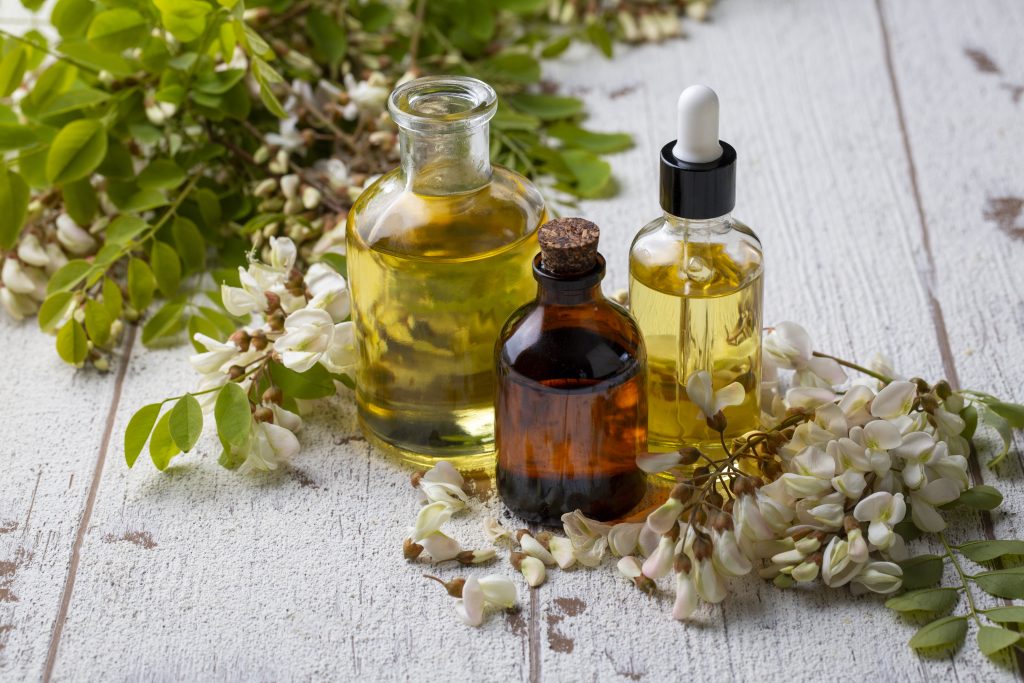
Neroli Oil
Neroli oil comes from the small white blossoms of the bitter orange tree, carefully distilled to capture their natural aromatic compounds. Because it is an essential oil, it is used in small, carefully measured amounts rather than like heavier botanical carrier oils.
What it contains:
• Linalool
• Limonene
• Nerolidol
• Naturally occurring antioxidant compounds
How it works in skincare:
• Helps support the look of skin elasticity
• Offers antioxidant support, helping defend against environmental stress
• Can help calm the appearance of redness
• Supports skin renewal processes over time
Some research suggests neroli oil may contribute to improved elasticity and support cell renewal, and it is also associated with mild antimicrobial properties.
Its aromatic profile is widely used for relaxation, which may indirectly support skin health by helping reduce stress-related strain on the skin.
Because it is an essential oil, concentration matters. In well-formulated skincare, it is included at levels intended to deliver benefits while minimising the risk of irritation.
Macadamia Nut Oil
Macadamia oil is extracted from macadamia nuts and is valued for its similarity to the skin’s natural sebum.
What it contains:
• Oleic acid (omega-9)
• Palmitoleic acid (omega-7)
• Vitamin E
• Phytosterols
How it functions in skincare:
• Deeply moisturises
• Softens and smooths
• Supports the skin barrier
• Reduces transepidermal water loss
Palmitoleic acid is particularly interesting because it is naturally present in younger skin but decreases with age. Topical application can help reinforce lipid content and improve suppleness.
Macadamia oil absorbs relatively well compared to heavier oils, making it suitable for dry, mature, or compromised skin types.
Castor Oil
Castor oil comes from the seeds of the Ricinus communis plant and is best known for its thick texture and skin-protective feel.
What it contains:
• Ricinoleic acid, a distinctive fatty acid that gives castor oil many of its skincare properties
• Omega-6 and omega-9 fatty acids, which support softness and moisture retention
How it works in skincare:
• Helps the skin hold onto moisture, supporting comfort and hydration
• Provides emollient softness, smoothing the look and feel of dry skin
• Supports the skin barrier by forming a protective layer
• Offers mild antimicrobial support, making it a useful ingredient in protective blends
Ricinoleic acid is what gives castor oil its signature richness. It can form a light protective film on the skin, helping reduce moisture loss while keeping the surface feeling nourished.
Because of its viscosity and stability, castor oil is often used in balms to improve texture, help seal in moisture, and support a more protective finish.
Do Botanical Oils really work?
Yes, when:
• They are used at appropriate concentrations
• They are perfectly balanced within a formulation
• They are matched to the correct skin type
• They are combined with barrier-supporting ingredients
Botanical oils function primarily as barrier supporters and moisture retainers. They do not replace active ingredients like retinoids or exfoliating acids, but they strengthen the foundation that allows active ingredients to work more effectively.
Healthy skin begins with a healthy barrier. Oils help reinforce that lipid layer, reduce moisture loss, and support resilience.
Botanical Oils in formulation vs raw application
There is an important distinction between applying a pure oil directly to the skin and using it within a well-formulated product.
Formulations are designed to:
• Balance fatty acid profiles
• Reduce irritation potential
• Improve absorption
• Combine oils with humectants and stabilisers
This is where botanical oils tend to perform best, as part of a structured product rather than used alone.
Botanical oils are not just marketing language. Their fatty acid composition, antioxidant content, and occlusive properties are well documented.
They support:
• Barrier repair
• Moisture retention
• Skin softness
• Antioxidant protection
• Elasticity support
They are not miracle cures, but they are functional, beneficial components of a balanced skincare routine. As we move into Autumn, when the skin barrier becomes more vulnerable, well-formulated botanical oils can play a valuable role in maintaining hydration and resilience.